How Roof Sealing Stops Small Leaks Before They Become Major Problems
Roof sealing helps prevent small leaks from turning into costly repairs, and local contractors can effectively apply these solutions to protect your home.
Property owners in the area who notice even the smallest signs of roof leaks often wonder about the best ways to protect their homes and avoid costly repairs down the line. Understanding how roof sealing can effectively stop small leaks before they develop into major problems is a practical step toward maintaining the integrity of a building’s roof. By addressing minor issues early, property owners can prevent water damage, mold growth, and structural deterioration, making roof sealing a valuable preventative measure. Local contractors specializing in roof sealing are equipped to assess the condition of roofs and provide solutions that help keep small leaks from escalating.
Exploring this topic is especially relevant for those who want to safeguard their property investment and avoid the inconvenience of extensive repairs. When small leaks are sealed promptly, it can extend the lifespan of the roof and improve its overall performance. Local service providers offer expertise in applying effective sealing techniques tailored to the specific needs of each roof, helping property owners stay ahead of potential problems. Keep reading to learn more about how roof sealing works and how local pros can assist in protecting your home from minor issues turning into major headaches.
- Roof sealing services are essential when small leaks are detected early, preventing water intrusion and structural damage. Local contractors assess the roof’s vulnerable areas and apply sealants to stop leaks before they worsen. Homeowners noticing minor drips or water stains can benefit from professional roof sealing to address minor issues promptly. Service providers use targeted sealing techniques to reinforce the roof’s defenses against future leaks. Regular inspections and sealing help maintain the roof’s integrity, avoiding costly repairs down the line.
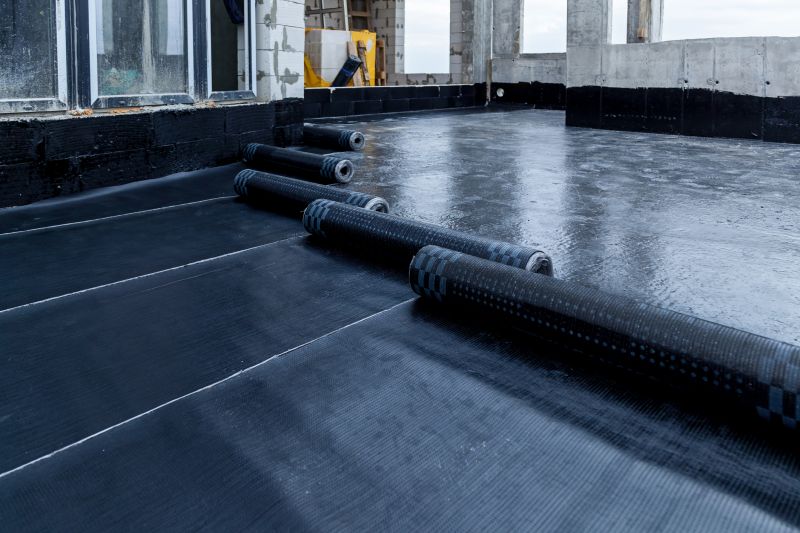
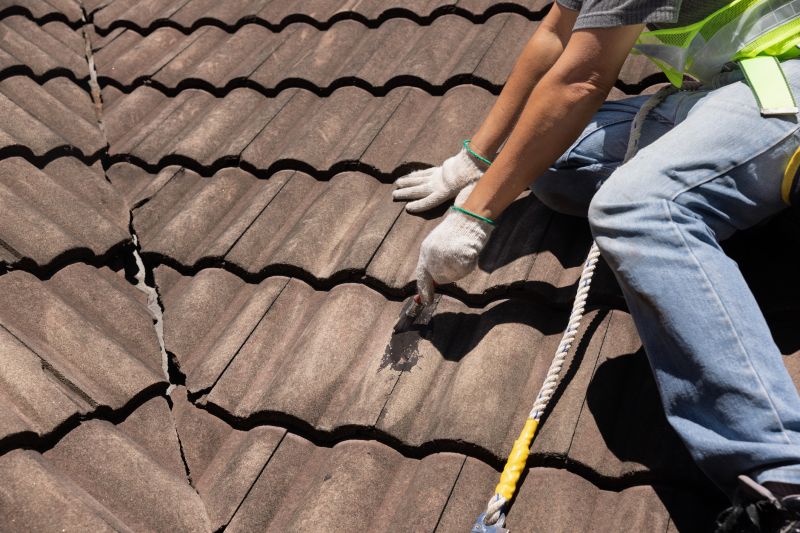
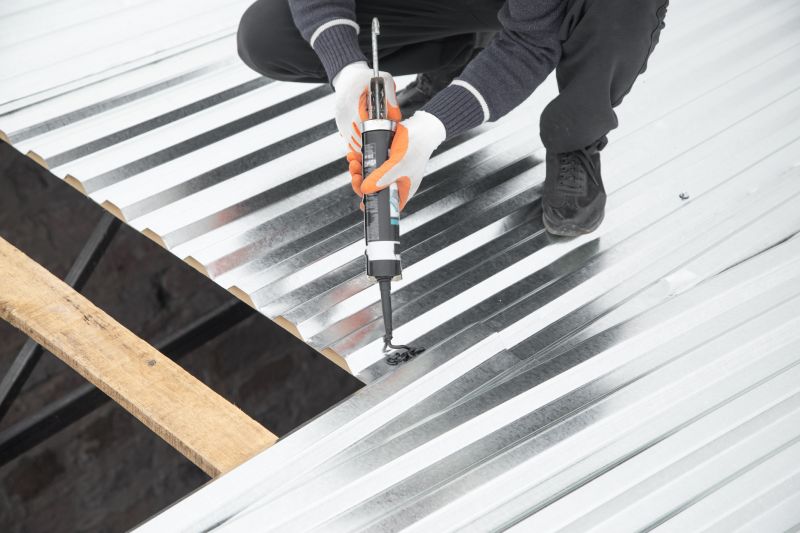
When people search for how roof sealing stops small leaks before they become major problems, they are often looking for preventative measures to protect their property from water damage. Small leaks can be tricky because they may not be immediately obvious, but over time, they can lead to significant issues such as rotting wood, mold growth, and compromised structural integrity. Homeowners interested in this topic typically want to understand how a simple sealing process can serve as an affordable and effective way to maintain their roof’s integrity. They may also be curious about the signs of small leaks and how timely sealing can prevent costly repairs down the line.
This topic relates closely to property maintenance plans and the ongoing effort to safeguard a home’s roof. Small leaks often develop due to aging roofing materials, weather exposure, or minor damage that worsens over time. Roof sealing works as a proactive approach, creating a barrier that prevents water from seeping into vulnerable areas. It’s particularly relevant for homeowners who want to extend the lifespan of their roof without the need for complete replacements. Many property owners consider roof sealing as part of their regular upkeep, especially when preparing for seasonal changes or after severe weather events that can weaken roofing materials.
The types of properties that frequently come up in discussions about roof sealing include residential homes, especially those with flat or low-sloped roofs, as well as multi-family dwellings and small commercial buildings. These properties often face unique challenges with leaks because water tends to pool or find pathways through minor cracks. For homeowners, a well-sealed roof can provide peace of mind, knowing that small issues are addressed early before escalating. Additionally, property managers and landlords may seek out local service providers to help maintain multiple units or commercial spaces, ensuring that small leaks are sealed promptly to avoid larger, more disruptive problems.
Connecting with local pros who specialize in roof sealing is a practical step for homeowners and property owners alike. These service providers understand the specific needs of different types of roofs and can assess where small leaks might develop. They use various sealing techniques and materials suited to the roof’s age, material, and exposure conditions. By choosing experienced local contractors, property owners can ensure that small leaks are properly sealed, which helps prevent water intrusion, structural damage, and the need for more extensive repairs later on. Proper roof sealing, performed by qualified professionals, is an effective way to maintain roof health and protect the property’s value over time.
Gutter Repair and Maintenance - gutter projects require planning and tools similar to roof sealing, as both involve protecting the structure from water damage and preventing leaks.
Attic Insulation Installation - proper insulation work involves planning and sealing areas to prevent moisture intrusion, paralleling the skills used in roof sealing to stop small leaks.
Flashing Replacement - replacing or repairing flashing around vents and chimneys involves techniques akin to roof sealing, focusing on creating watertight barriers to prevent leaks.
Roof Inspection Services - thorough inspections identify potential leak points early, enabling local contractors to recommend sealing solutions before small issues escalate.
Skylight Sealing and Repair - sealing around skylights requires precision and planning similar to roof sealing, to prevent small leaks from developing into major problems.
Exterior Wall Waterproofing - waterproofing projects involve similar planning and application methods as roof sealing, both aimed at preventing water intrusion and damage.
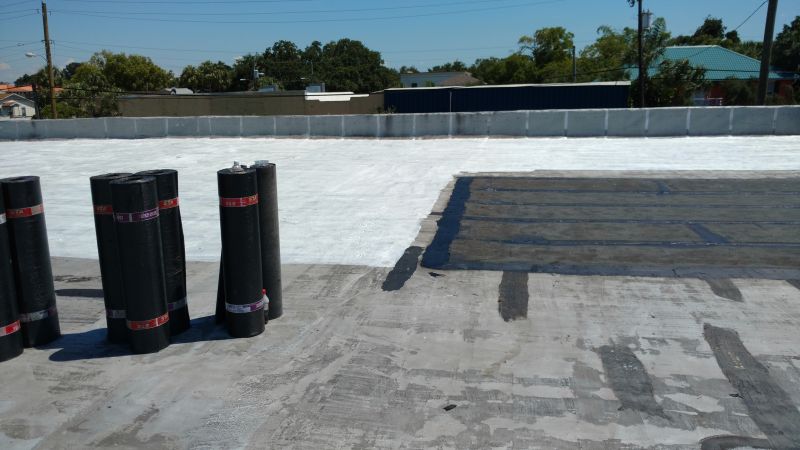
When comparing local contractors for roof sealing services, it is important to evaluate their experience with similar projects. Homeowners should inquire about the types of roofs they have worked on and whether they have addressed small leaks before they escalate into more serious issues. A contractor with a proven track record of handling projects like roof sealing can offer insights into effective techniques and materials that help prevent future leaks, ensuring the work is tailored to the specific needs of the home.
Clear written expectations are essential when choosing a service provider for roof sealing. Homeowners should seek detailed descriptions of the scope of work, including the methods used to seal small leaks and how the process helps stop minor issues from becoming major problems. Well-defined expectations help prevent misunderstandings and provide a basis for evaluating whether the contractor’s approach aligns with the homeowner’s goals for maintaining a leak-free roof.
Reputable references and good communication are also key factors in selecting a reliable contractor. Homeowners are encouraged to ask for references from previous clients who had similar work done, especially those who experienced positive outcomes in preventing small leaks. Additionally, choosing a service provider who communicates clearly, responds promptly to questions, and provides thorough explanations can make the process smoother and more transparent, giving confidence that the contractor understands the importance of addressing small issues before they develop into costly repairs.
Property owners often search for how roof sealing stops small leaks before they become major problems when they are planning practical projects around their homes and businesses. Local pros provide Roof Sealing services for everyday jobs and straightforward project options.
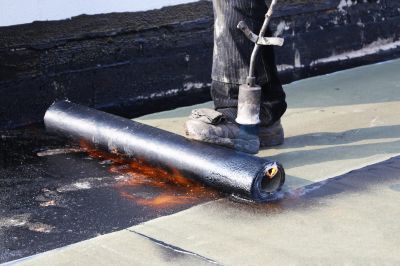
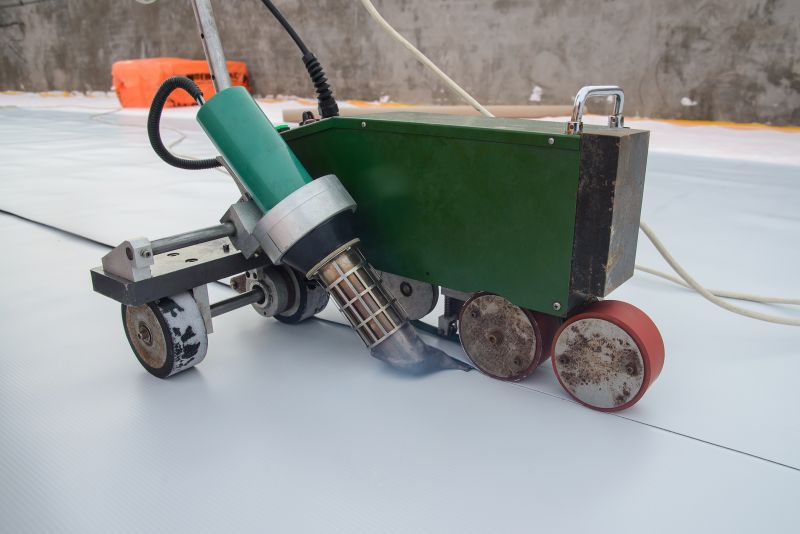
Many property owners in the area notice small leaks after heavy rain or during seasonal changes, prompting questions about how roof sealing can prevent more serious damage. These minor issues often seem manageable at first, but without proper attention, they can develop into costly repairs or structural problems over time. Local contractors who specialize in roof sealing can assess the condition of a roof’s surface and apply protective coatings that help keep water out, effectively stopping small leaks before they have a chance to cause significant damage.
Homeowners often look into roof sealing services as a proactive step to protect their investment and avoid the inconvenience of emergency repairs. Small leaks, if left unchecked, can lead to mold growth, wood rot, and compromised insulation, which may affect the overall integrity of a property. Connecting with experienced service providers ensures that small vulnerabilities are addressed early, helping to maintain a roof’s durability and prevent minor issues from escalating into major problems down the line.
How does roof sealing help prevent small leaks from becoming major problems? Roof sealing creates a protective barrier that stops water from seeping through tiny cracks, preventing small leaks from worsening into significant damage.
Can roof sealing be effective on existing small leaks? Yes, professional roof sealing can address existing small leaks by sealing the affected areas, reducing the risk of further water intrusion and damage.
Why should I consider roof sealing as a preventive measure? Roof sealing is a proactive approach that helps maintain the roof’s integrity, avoiding costly repairs caused by water damage from small leaks that are left unaddressed.
What types of roof materials are suitable for sealing to stop leaks? Many common roofing materials, including asphalt shingles, metal, and flat roofs, can benefit from sealing services provided by local contractors to prevent small leaks.
How do local contractors ensure that roof sealing effectively stops small leaks? Local service providers assess the roof’s condition, apply appropriate sealing products, and ensure proper coverage to effectively prevent small leaks from developing into major issues.
Identify small leaks early - Regular roof inspections can help property owners spot minor leaks before they worsen, making it easier for local contractors to apply sealing solutions.
Use roof sealing for preventive maintenance - Applying roof sealant during routine upkeep can protect vulnerable areas and extend the roof's lifespan.
Address weather-related vulnerabilities - After storms or heavy rain, property owners can have local service providers evaluate and reseal any compromised spots to prevent leaks.
Choose appropriate sealing products - Consulting with local pros ensures the right sealants are used to effectively stop small leaks and avoid future damage.
If you are thinking about how roof sealing stops small leaks before they become major problems for a property, this guide is meant to help you understand this topic, the typical project types, and how different options might fit your plans.
When you are ready, you can use the quote form on this page to share a few details about your project. From there, local pros can review the basics and follow up with options that match what you have in mind.